

Flip book element
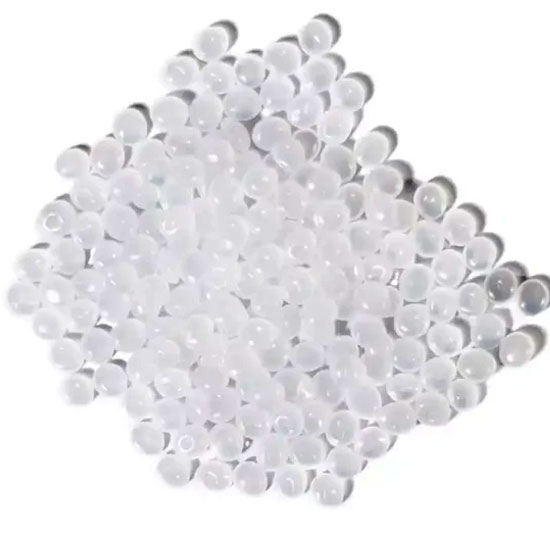
Low Density Polyethylene LDPE 1120
Low Density Polyethylene LDPE 1120 is a non-additivity, low density polyethylene.it is delivered in pellet shape.
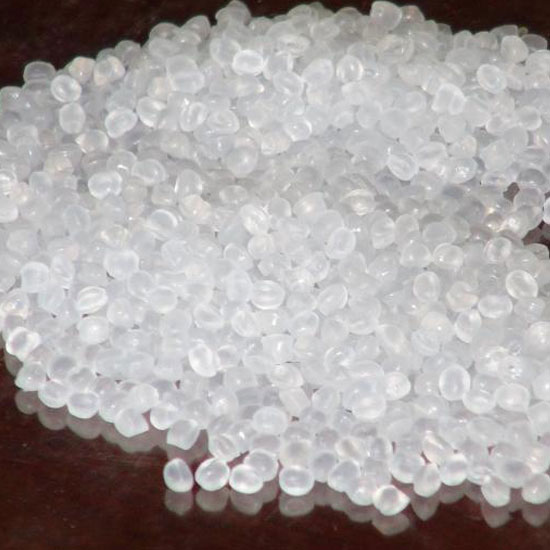
Low Density Polyethylene LDPE 1169
Low Density Polyethylene LDPE 1169 is the first commercially proven tubular LDPE grade for extrusion coating in Iran. This product is developed as general-purpose application in extrusion coating segments. LDPE 1169 can be used on low and also very high line speed extrusion coating and lamination processes. When processes on suitable hardware, LDPE 1169 exhibits excellent draw down ability, good edge stability and low neck-in. Due to its excellent draw down ability and good adhesion, very thin coating layers can be applied on the substrate.
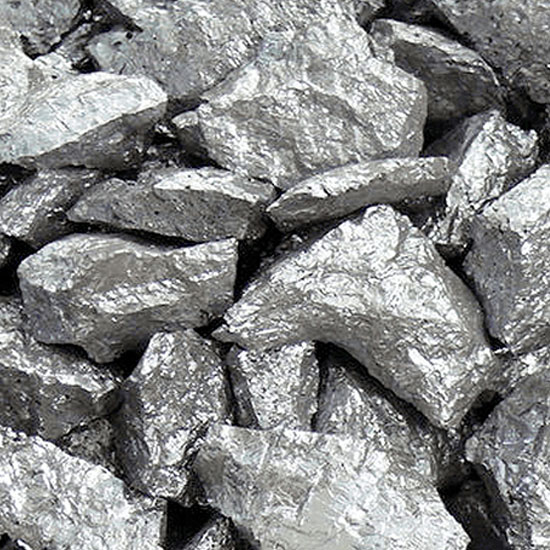
FERRO SILICON
FERRO SILICON
Ferro silicon is indeed a binary alloy of iron (Fe) and silicon (Si). The chemical formula for ferro silicon is typically represented as FeSi. The ratio of iron to silicon can vary, resulting in different grades of ferro silicon. The most common grades include Ferro silicon 75, Ferro silicon 72, and Ferro silicon 70, which indicate the percentage of silicon in the alloy. For example, Ferro silicon 75 means the alloy contains approximately 75% silicon and 25% iron. The chemical composition may also include trace amounts of other elements depending on the source and production process.
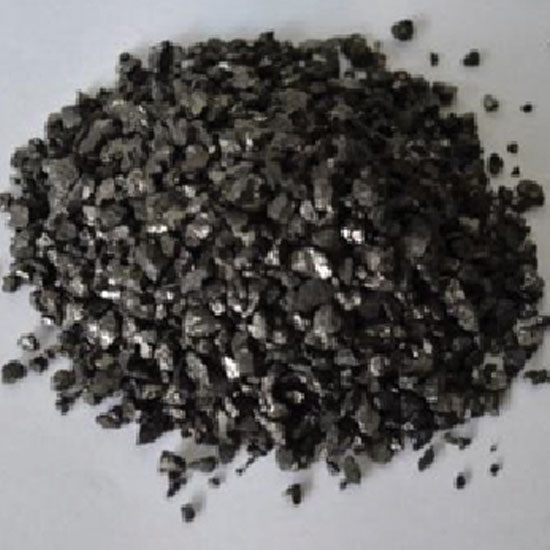
Calcined Petroleum Coke (CPC)
Calcined Petroleum Coke (CPC)
Calcined petroleum coke (CPC) is the product from calcining petroleum coke. This coke is the product of the cooker unit in a crude oil refinery. The calcined petroleum coke is used to make anodes for the aluminum, steel and titanium smelting industry.

High Density Polyethylene (HDPE)1080
High Density Polyethylene (HDPE) 1080 is a high molecular weight, high-density polyethylene (HDPE) with high melt viscosity for extrusion. This grade, which is produced by 1-hexene co-monomer, is classified as HDPE 1080 and provides excellent stress crack resistance properties (ESCR) combined with very good long-term hydrostatic strength and good process-ability.
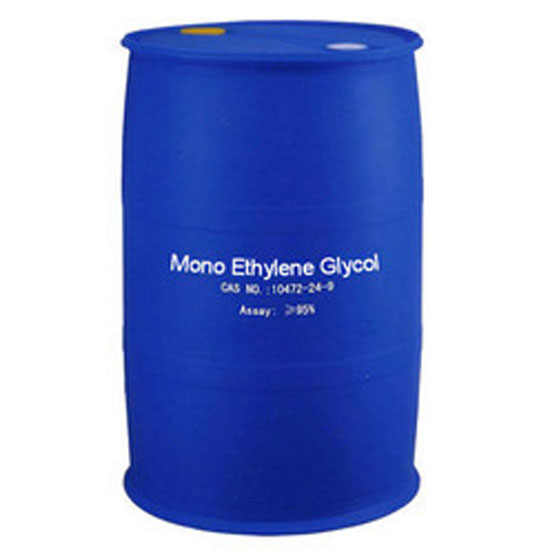
Monoethylene glycol (MEG)
Monoethylene glycol (MEG) is the simplest combination of glycols and is one of the most common organic compounds with antifreeze properties.
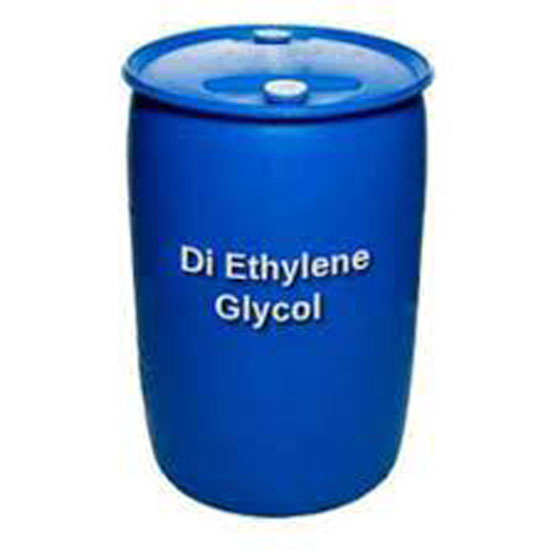
Diethylene Glycol (DEG)
Diethylene glycol obtained from the reaction of ethylene oxide and MEG. It’s a clear, transparent and odorless liquid that can be mixed with water in any proportion.
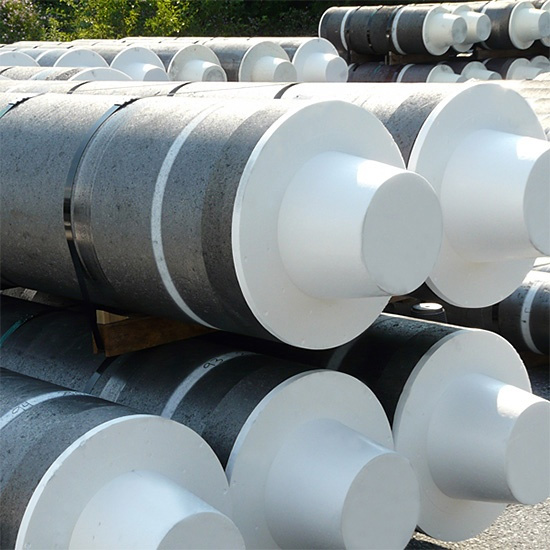
Graphite Electrode
Graphite Electrode
Arc furnace graphite electrodes are essential components used in electric arc furnaces for the production of steel and other metals. These electrodes are made from high-quality graphite materials, chosen for their excellent thermal conductivity, high resistance to thermal shock, and low electrical resistance. During the steelmaking process, the arc furnace graphite electrodes conduct electricity, creating a high-temperature arc that melts scrap metal and other raw materials. This molten metal is then refined and cast into various steel products. The application of arc furnace graphite electrodes is crucial in modern steelmaking processes, providing efficient and reliable electrical conductivity for the melting and refining of metals in electric arc furnaces.
Create a Flip Book for any product category. You can also select custom posts.