

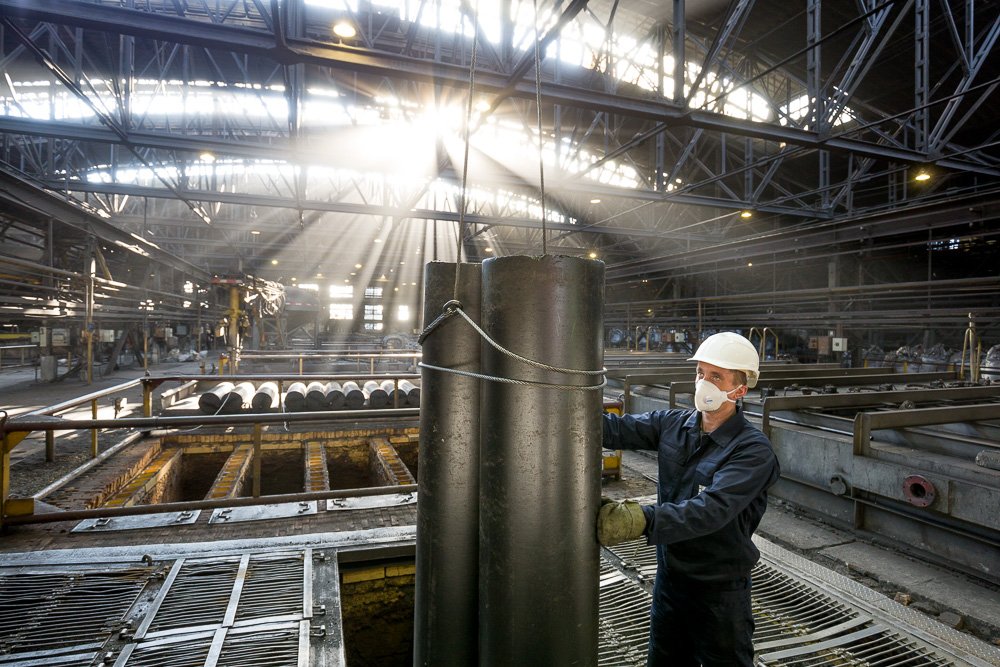
An electrode trial is useful only when receiving checks and furnace conditions are documented. Without a defined protocol, normal changes in scrap, power program, delays, and inventory can be mistaken for a supplier difference.
Before shipment
Agree on grade, diameter, length, nipple and thread designation, tolerances, inspection certificate, packaging, quantity, and traceability. Define how nonconformities and transport damage will be handled.
Receiving inspection
- Check package condition, bands, supports, and moisture exposure.
- Verify labels, quantity, grade, dimensions, and batch numbers.
- Inspect accessible surfaces and thread protectors.
- Photograph damage before unloading or unpacking.
- Quarantine suspect pieces and retain shipping evidence.
Dimensional and visual checks
Use calibrated equipment and an agreed sampling plan. Check diameter, length, straightness, end condition, sockets, nipples, thread designation, and obvious cracks or impact marks. Do not improvise gauges or force questionable parts together.
Designing a fair furnace trial
Define trial boundaries before use. Record furnace, phase, heats, scrap mix, power-on time, tap-to-tap time, energy, oxygen, electrode additions, remaining lengths, breakages, and delays. Keep the connection and handling procedure consistent.
Performance indicators
- Kilograms of electrode per tonne of liquid steel
- Consumption by phase and per power-on hour
- Breakage, joint loss, and unexplained events
- Electrical stability and regulator alarms
- Handling or connection observations
Avoid common trial errors
Do not compare a short trial with a long historical average, mix suppliers in the same measurement period without traceability, or exclude abnormal heats selectively. Record operational changes that may influence results.
Final evaluation
Combine furnace performance with quality documentation, delivery reliability, packaging, technical response, and total operating cost. A technically sound decision is based on comparable evidence rather than a single headline price.
Hila can coordinate specification review, documentation, logistics, and supply for graphite and carbon products.
