

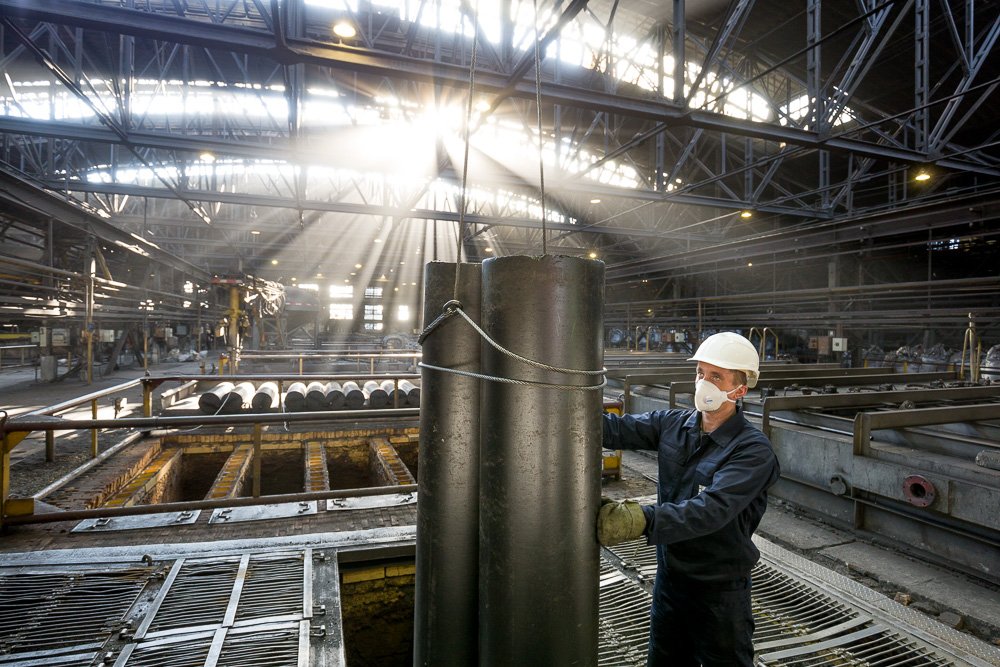
An electrode trial is useful only when receiving checks and furnace conditions are documented. Without a defined protocol, normal changes in scrap, power program, delays, and inventory can be mistaken for a supplier difference. Before shipment Agree on grade, diameter, length, nipple and thread designation, tolerances, inspection certificate, packaging, quantity, and traceability. Define how nonconformities […]
Category Archives: Graphite & Carbon
Technical insights, sourcing guidance, and market information about graphite electrodes and carbon products.
Graphite & Carbon, Uncategorized
Graphite Electrode Specifications Explained: Resistivity, Density, Strength and CTE
22
Aug
Aug
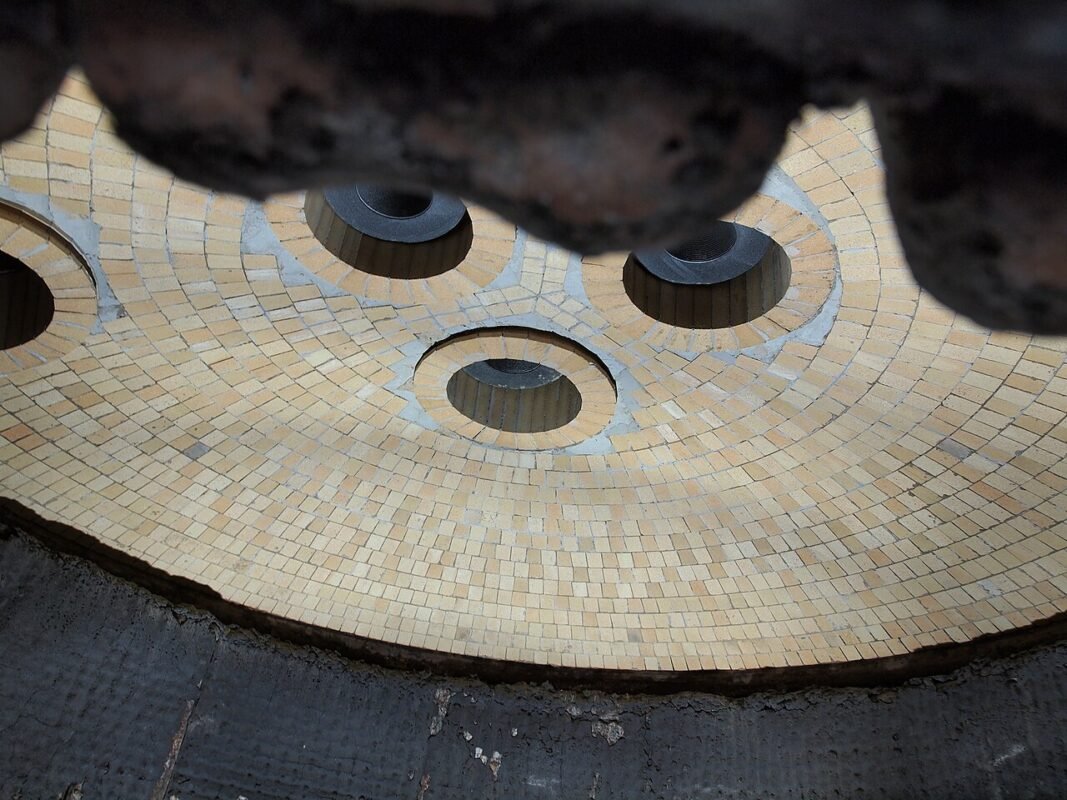
A technical data sheet should be read as a connected set of properties. Selecting an electrode by one attractive number can be misleading because electrical, mechanical, and thermal behavior interact during furnace operation. Electrical resistivity Resistivity describes opposition to current flow. Lower resistivity generally reduces internal electrical loss and heating, but results must specify test […]
Graphite & Carbon, Uncategorized
How Graphite Electrodes Are Manufactured: From Needle Coke to Final Machining

22
Aug
Aug
Graphite electrode performance begins long before the product reaches a steel plant. Raw-material quality and control of each thermal and mechanical step influence electrical resistivity, strength, thermal expansion, uniformity, and joint reliability. 1. Raw materials Petroleum coke and, for demanding grades, needle coke form the main carbon aggregate. Coal-tar pitch is commonly used as a […]
Graphite & Carbon, Uncategorized
Graphite Electrode Breakage in EAF: A Practical Root-Cause Analysis Guide
22
Aug
Aug
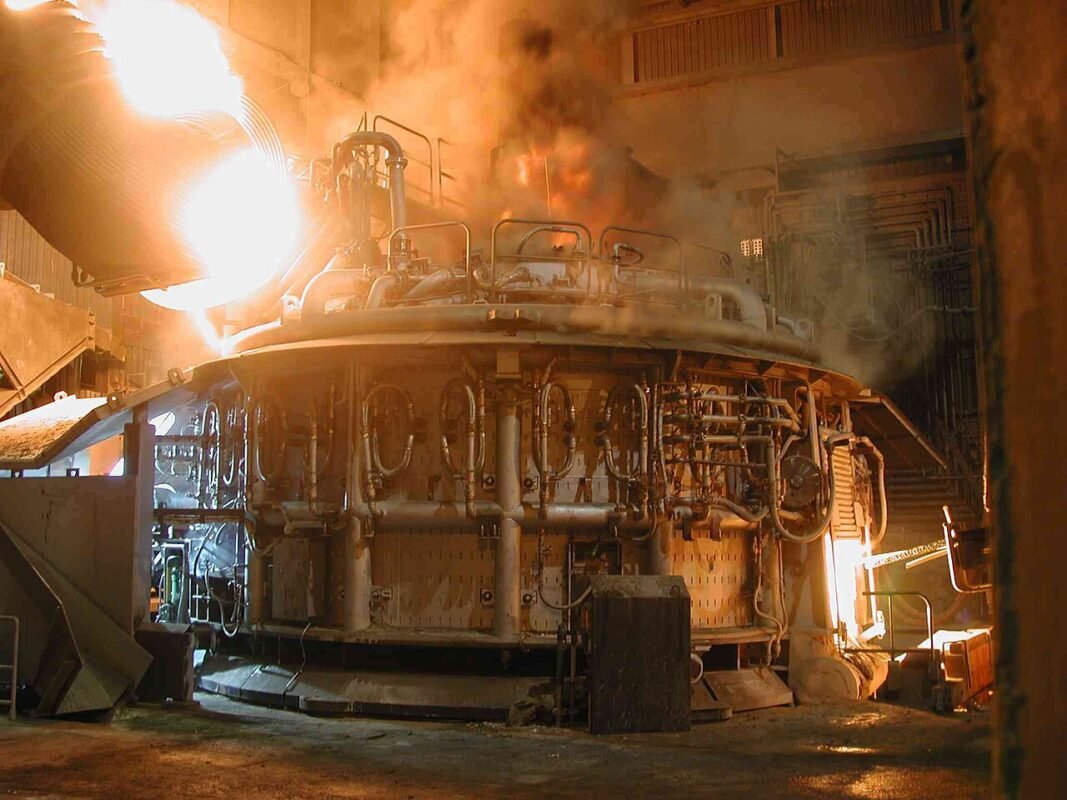
Graphite electrode breakage is rarely a random event. In most electric arc furnaces, it is the final result of an electrical, mechanical, material, or operating condition that developed earlier in the heat. A disciplined investigation should therefore start with evidence, not assumptions. First identify where the fracture occurred Separate failures into body breakage, socket-area breakage, […]
Graphite & Carbon, Uncategorized
Why Graphite Electrode Consumption Increases in Electric Arc Furnaces
22
Aug
Aug
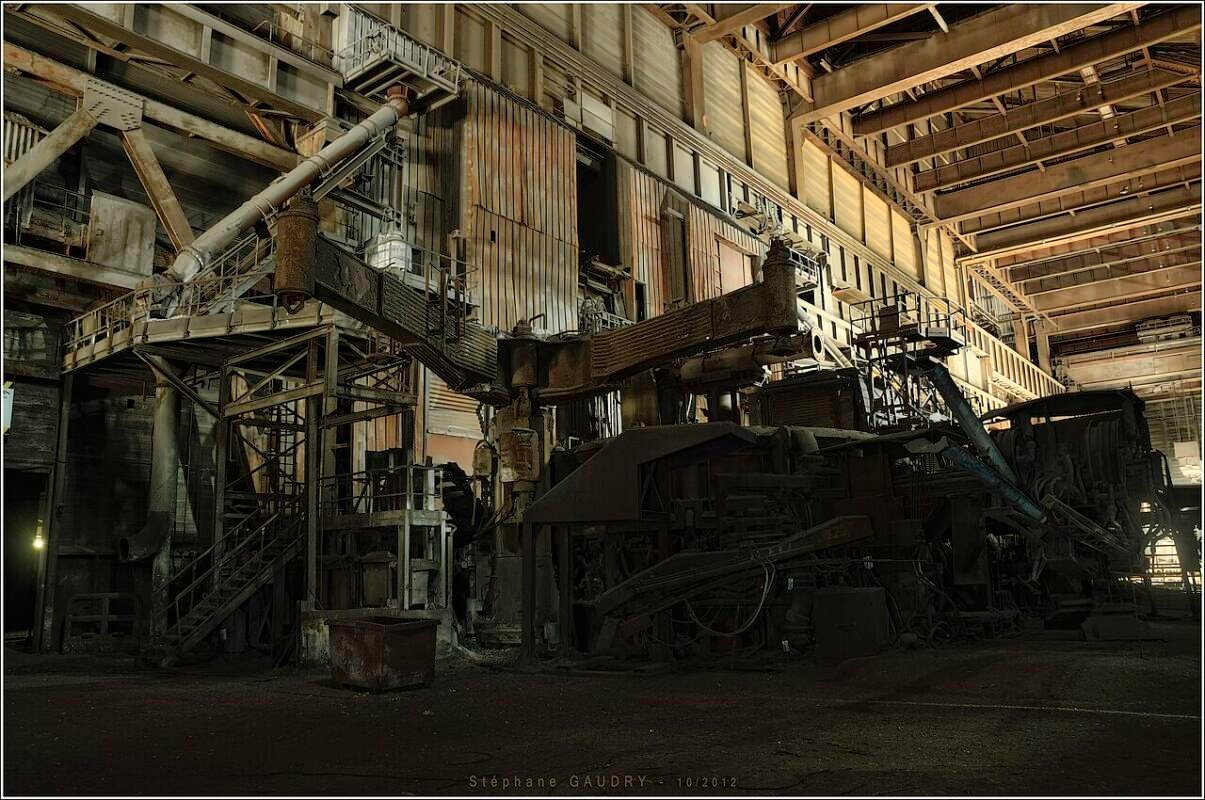
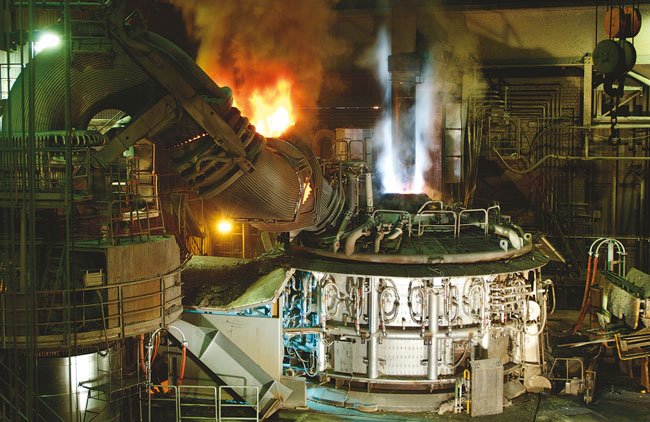
High graphite electrode consumption increases cost per tonne and often signals a wider process-control problem. Total consumption should be separated into side oxidation, tip consumption, breakage loss, and joint-related loss because each mechanism requires a different response. Side oxidation The hot electrode surface reacts with oxygen above the furnace roof and through roof openings. Long […]
22
Aug
Aug
Electrode performance is closely connected to furnace practice. Two plants using the same grade can obtain different consumption and reliability because scrap, electrical regulation, oxygen use, foamy slag, delays, and mechanical condition are different. Scrap preparation and charging Dense, conductive scrap supports a stable bore-down path. Long or poorly prepared pieces can bridge, collapse against […]
22
Aug
Aug
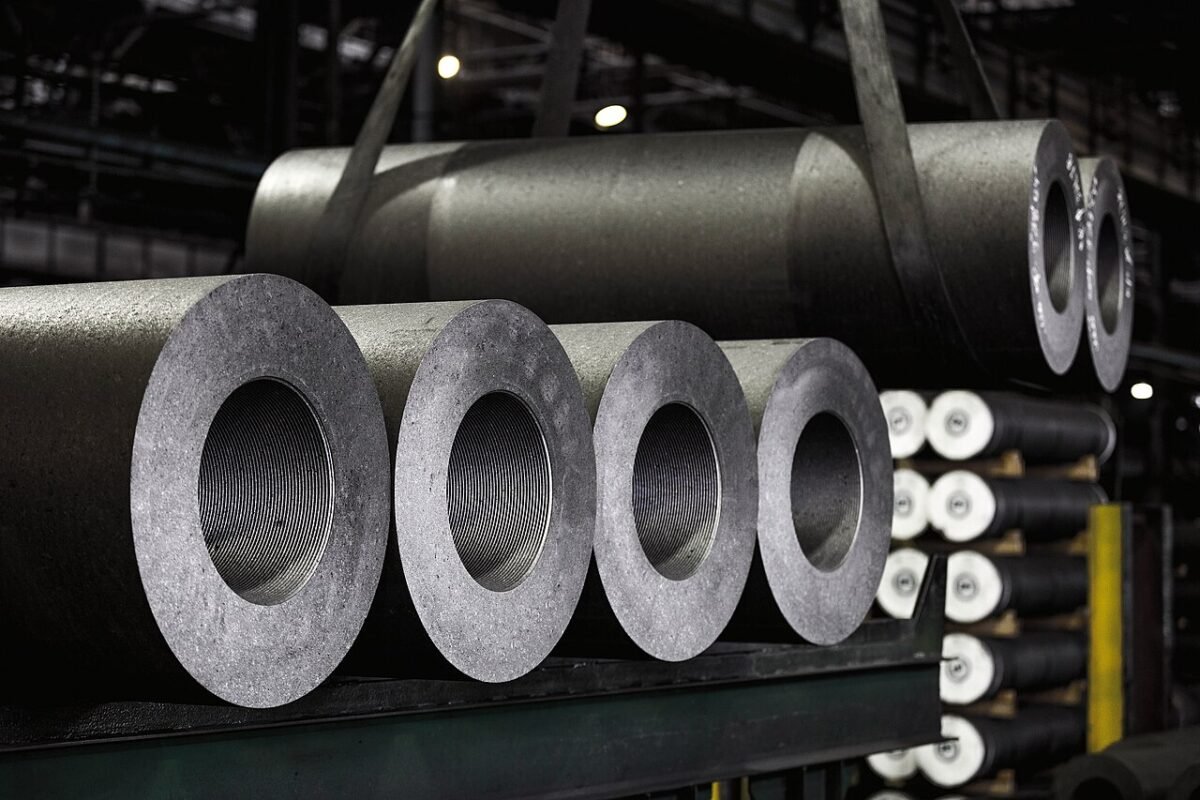
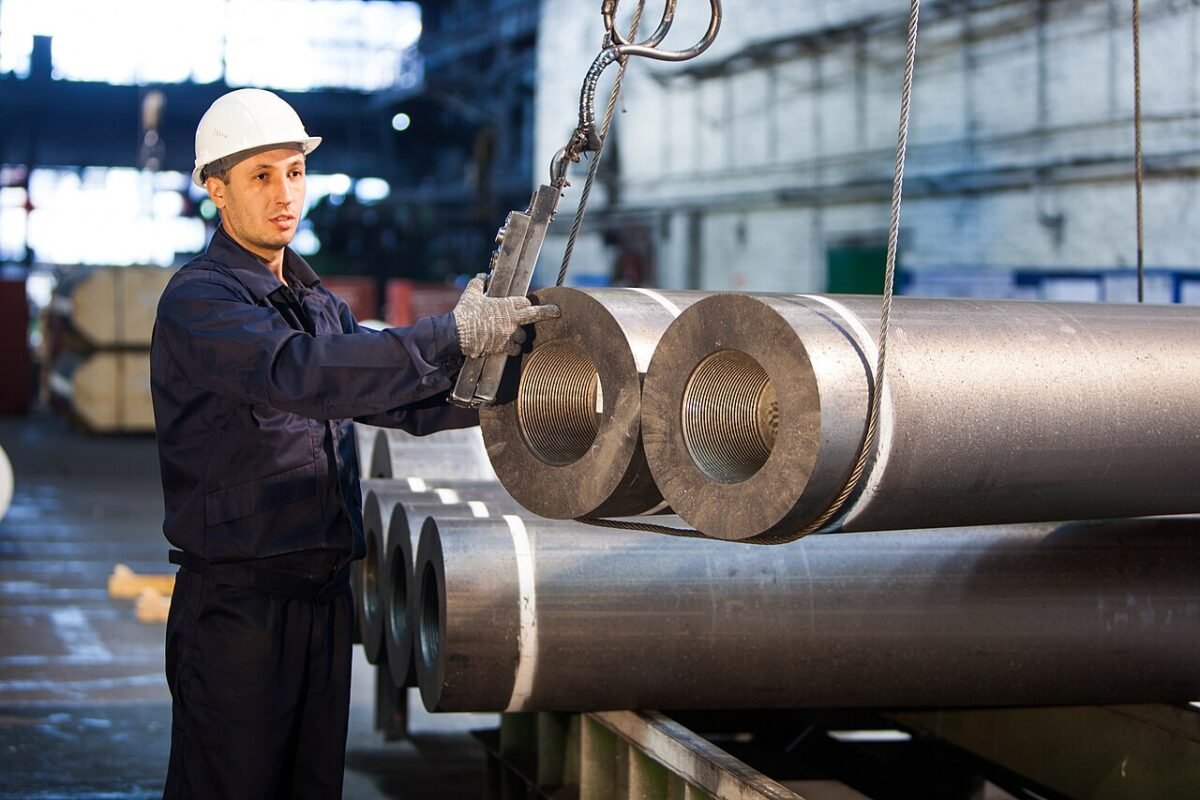
Graphite electrodes are strong in service but can be damaged by impact, poor support, contaminated threads, and incorrect lifting. A simple handling standard protects product value before the electrode ever reaches the furnace. Receiving inspection Check packages before unloading. Record wet packaging, broken bands, crushed protectors, forklift impact, or movement inside the bundle. Verify quantity, […]
Graphite & Carbon, Uncategorized
Graphite Electrode Joint and Nipple Failures: Causes, Inspection and Prevention
22
Aug
Aug
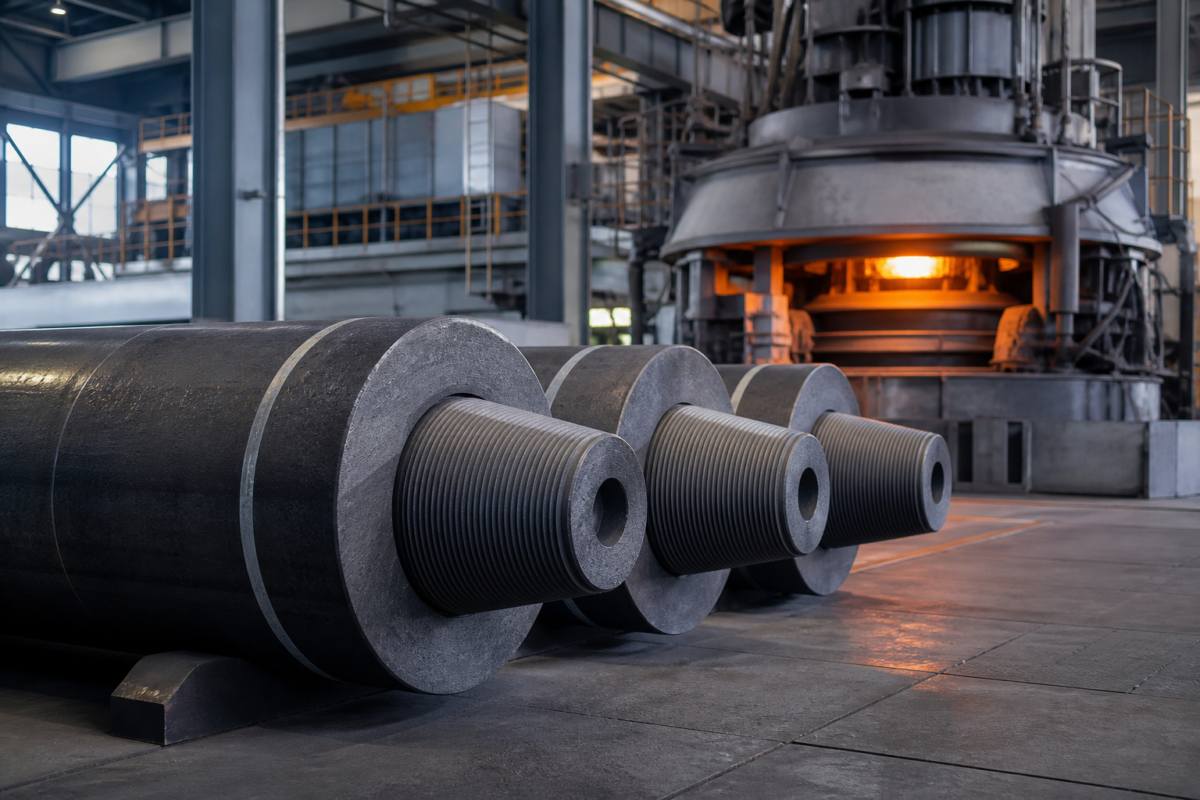
The joint is the most sensitive mechanical and electrical interface in an electrode column. It must transfer high current while carrying the weight and dynamic loads of the lower electrode sections. A reliable joint depends on compatible geometry, clean threads, correct alignment, and controlled tightening. Typical failure modes Nipple fracture inside the joint Socket cracking […]
22
Aug
Aug
Learn how to choose RP, HP, or UHP graphite electrodes for electric arc furnace steelmaking by evaluating furnace power, dimensions, electrical properties, joints, handling, and total operating cost.